Milan Prica on the Relocation of “Orao” and the Exodus: A Major Event That Received Too Little Recognition
“So many people who were born in Rajlovac and the Sarajevo region, who were educated there, started families, found employment at ‘Orao,’ and defended it during the war, were suddenly faced with the decision that the company would be relocated to Bijeljina. A tremendous amount of hardship, effort, and enthusiasm was demonstrated in 1995. Unfortunately, such a great achievement has never received in the public sphere the recognition it truly deserves,” stated Milan Prica, wartime Director of “Orao” and Commander of the unit bearing the same name, on the occasion of today’s commemoration marking 30 years since the relocation of the company from Rajlovac and the exodus of Serbs from Sarajevo.
Prica recalled the period following the signing of the Dayton Peace Agreement, when he was informed that the decision to move the company to Bijeljina was final.
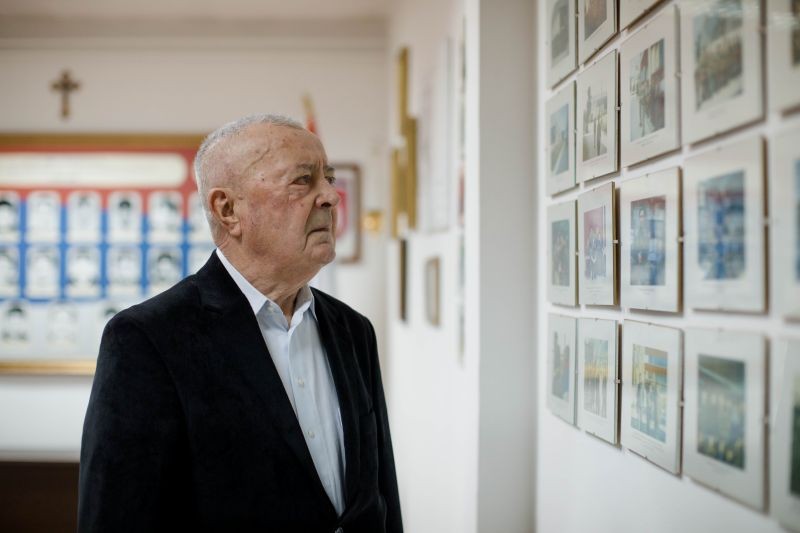
“At the General Staff, we were told that we had until January 1 to evacuate ‘Orao,’ and shortly thereafter an official order arrived from the Ministry of Defence. I took it very seriously, convened my closest associates, and we decided to approach the relocation in a disciplined manner — the only way we knew how: in a military fashion. My deputy went to Bijeljina, while I remained in Rajlovac with a group of colleagues. Days followed in which, for example, in snow and freezing temperatures, we had to load a 36-ton hydraulic press. Even tanks assisted us. What I remember most vividly, however, is the extraordinary enthusiasm of the people — something rarely experienced,” Prica stated.
According to him, the decision was made to transfer from Rajlovac to Bijeljina everything that constituted the core activity of “Orao” — tools, spare parts, machinery, and facilities — but attention also had to be given to 350 employees and their families.
“You must provide people with food, transportation, clothing, accommodation, and everything else necessary. We created a plan in which families of the fallen had priority, as did the wounded and families with several children. We then secured transport trucks for all other employees, receiving significant assistance from Banja Luka, Doboj, Višegrad, and other municipalities. A headquarters was established in Vogošća, where officers helped us coordinate and transfer personnel, while the government in Pale organized fuel supply efficiently,” Prica emphasized.
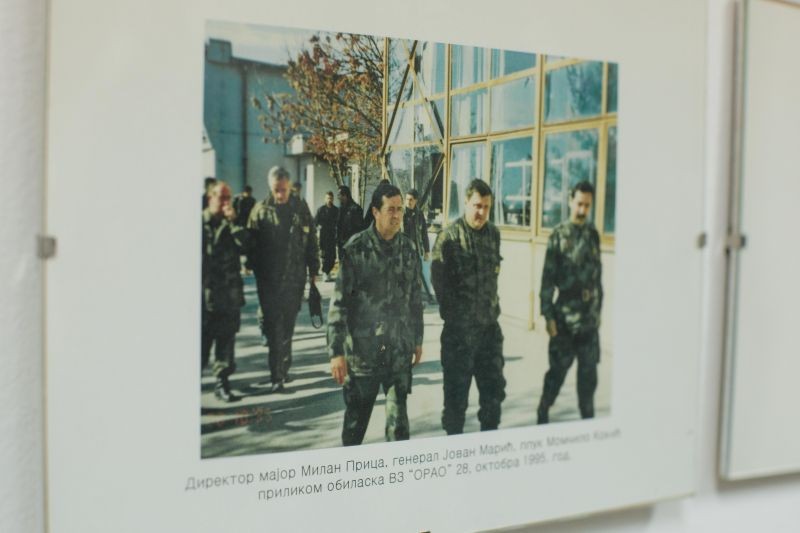
He noted that all essential equipment had been relocated by January 1, though he requested an extension of the relocation deadline.
“The last truck departed for Bijeljina on the night of March 8, 1996. Many wondered whether all the equipment would actually reach Bijeljina. However, according to my plan, we issued four separate delivery notes for each truck to different addresses, ensuring that nothing could be missing upon arrival. We organized a workers’ restaurant at the then ‘Panaflex’ facility in Bijeljina, arranged accommodation at Hotel ‘Drina’ and other locations, and distributed equipment across several companies. Thanks to the Municipality of Bijeljina, we were granted land where, on Vidovdan in 1997, we officially marked the beginning of operations,” Prica said.
When recalling the exodus and relocation of “Orao,” he describes the emotions as profoundly difficult, emphasizing that nothing leaves a deeper mark on a person than the loss of colleagues with whom he shared every day during the Homeland Defense War.
“On one occasion, I witnessed a man pulling a sled carrying the coffin of his fallen son, a mechanical engineer. He asked me if I could help him transport the coffin further. A human being can endure many things, but such scenes leave permanent scars. We did everything to evacuate our people. We even returned to territories after they had been taken over by Muslim forces, rescuing Serbian families who had, by circumstance, remained there,” Prica added.
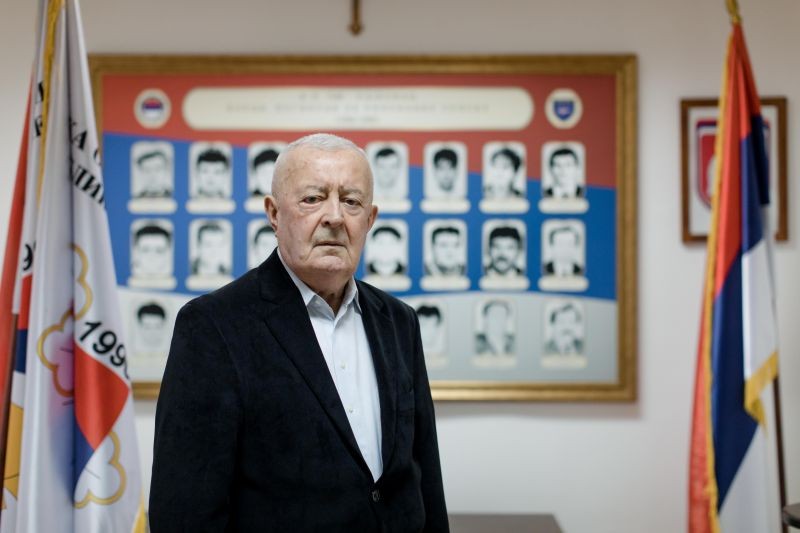
He stressed that he remains deeply grateful to all members of the wartime ‘Orao’ unit and to the employees who took the relocation from Rajlovac seriously, demonstrating trust in the company’s leadership.
“At ‘Orao,’ we were organized in a military manner and guided by patriotic principles. That is why we succeeded. All young colleagues who join ‘Orao’ should first visit the memorial room dedicated to the fallen and learn about the heroism demonstrated by our workers. The sorrow for the homes we guarded and defended remains — and as a man, a soldier, and a patriot, I will never fully understand why we were compelled to leave everything behind. Nevertheless, ‘Orao’ now lives a new life in Bijeljina, and I appeal to political representatives to give greater significance to the exodus we endured and to ensure that more individuals who participated in the relocation are present at public commemorations dedicated to the Homeland Defense War,” Prica emphasized.
Today, February 21, 2026, “Orao” a.d. Bijeljina marked, within the company premises, the 30th anniversary of the exodus of Serbs from Sarajevo and the relocation of its production capacities from Rajlovac to Bijeljina.
